
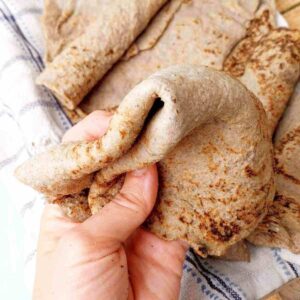
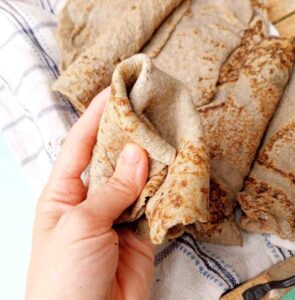
Looking for a Jowar Roti that bends perfectly for wraps and doesn't crack all over the place? Yep, you've found it! This sorghum roti (aka jowar bhakri) is everything you've been looking for. Soft, flexible, and ridiculously easy to make in just 30 minutes. These are just as great as my bajra roti and ragi roti recipes.
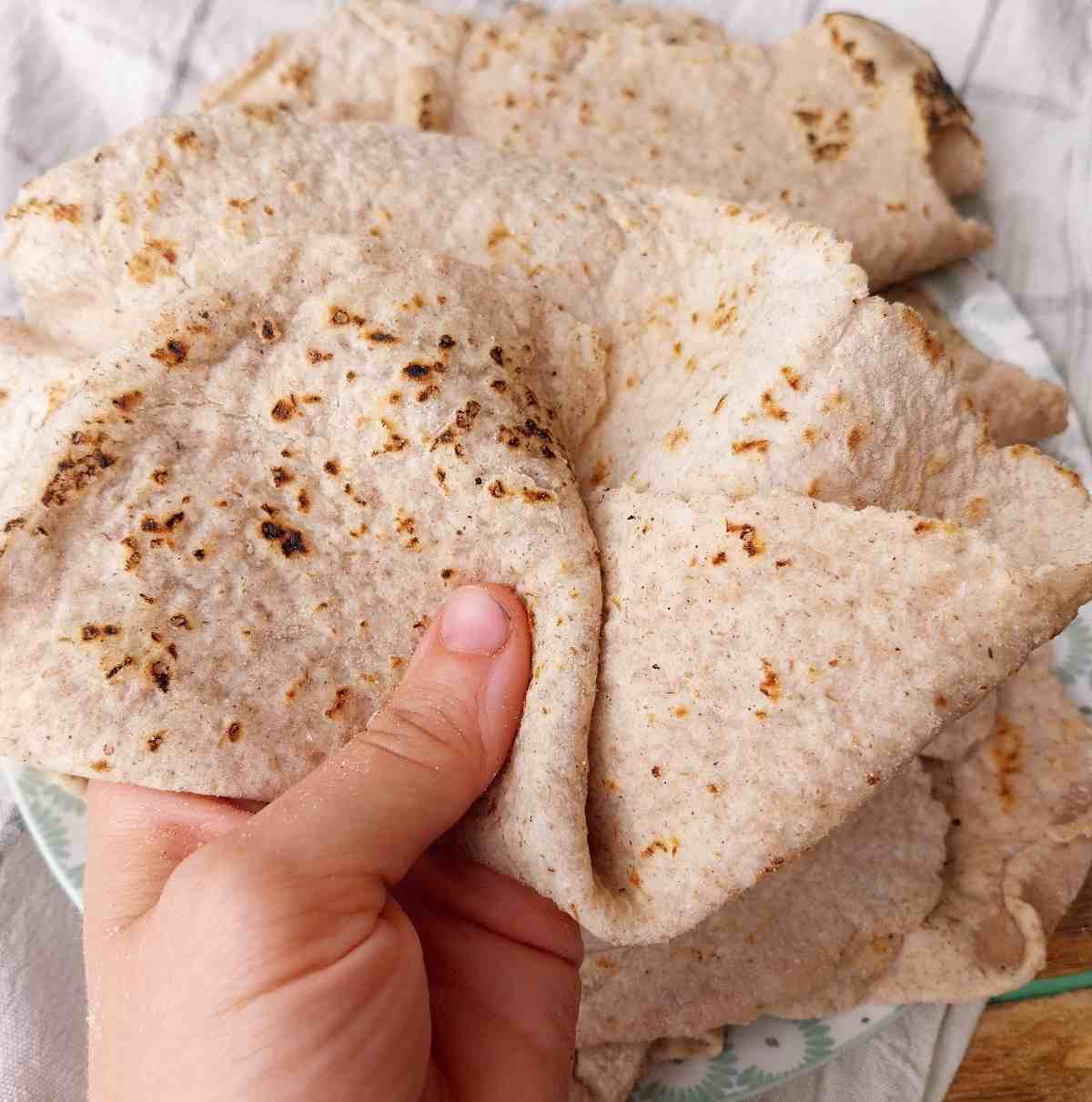
These jolada rotis are super easy to roll out and they don't crack once fried, all thanks to the secret ingredient in gluten-free baking - psyllium husk. The dough doesn't dry out or turn brittle while you work with it, and the stickiness is easily manageable with some ghee or oil for rolling, just like in my buckwheat flatbreads. These cook through evenly when fried on a well-preheated tawa or skillet!
Jump to:
Why You'll Love These Jowar Rotis
- Versatile: Serve with curries, dal, veggies, savory rice dishes, or use them as wraps for whatever you fancy.
- Naturally gluten-free: No gluten, no problem. Great for people with celiac or anyone just trying to avoid gluten, just like this jowar loaf bread.
- Packed with nutrients: Fiber, iron, and antioxidants galore. And it is low in glycemic index!
- Soft and flexible: These jowar ki roti bend and fold just like the traditional wheat ones without any added wheat, just like my gluten-free sourdough flatbreads.
Ingredients for Jowar Roti

- Jowar flour is also known as sorghum flour (see sorghum cookies).
- Psyllium husks (in indian isabgol) - I recommend whole psyllium husks for ease of use.
See the recipe card for quantities.
Substitutions
Psyllium husks - please don't make this recipe without psyllium husk, and don't try using any popular psyllium alternatives as they won't work in this recipe.
How to Make Jowar Roti

Step 1. Pour the water into a medium-sized mixing bowl and whisk in the psyllium husks. Let it sit for 2-3 minutes to form a thick, gel-like mixture.

Step 2. Add the jowar flour and salt directly into the bowl with the psyllium gel. Mix the dough using a spatula, wooden spoon, or just dive in with your hands (my favorite method). Once it comes together, shape it into a tight ball and place it onto a lightly floured working surface.

Step 3. Divide the dough into four equal pieces using a knife or bench scraper. Roll each piece into a smooth, tight ball; this helps make even, round rotis later.

Step 4. Generously flour your working surface. Take one dough ball and gently press it into a disk. Add a little olive oil or ghee to the surface to prevent sticking. Roll it out into a thin roti, but don't go too thin or it might tear. You can slide a metal offset spatula underneath the dough to loosen it and make sure it isn't sticking to the table (totally optional, but handy).

Step 5. Heat a dry flat pan, tawa, or skillet over medium-high heat. Carefully place your rolled-out sorghum roti on the hot pan and cook for about 2 minutes, or until bubbles start to appear. Flip and cook the other side until golden brown spots form (another 1-2 minutes).
Once it's done, transfer the jowar flatbread to a plate, brush with some ghee (optional), and cover it with a clean kitchen towel to lock in the moisture. Repeat with the remaining dough balls.
Enjoy them warm with your favorite curry or use them as a wrap!
Expert tips
- Keep an eye on the dough consistency, if it's too dry, add more water. If it is too wet, add a bit of flour, but don't overdo it, the dough is meant to be on the sticky side, just like in gluten-free lavas!
- Keep flouring the surface after each roti to prevent them from sticking to the table, and add ghee or oil to the top to prevent it from sticking to the rolling pin.
- Use room temperature water for the best results.
Common Questions
Sorghum flatbreads are best on the day of cooking, but they can be stored for 1-2 days at room temperature, covered with a kitchen towel. If you need to store them longer, then freeze them for up to 2-3 months and defrost as needed.
It depends on your personal needs, but jowar ki roti is definitely better suited for gluten-intolerant folks. Sorghum flour tends to keep you full longer than wheat, which is helpful for weight management.
Jowar roti is lighter than bajra roti, but both are a great choice for gluten-intolerant people. Bajra can develop a bitter taste if it goes rancid, which sorghum doesn't do.
I'd say yes! Jowar roti is much better for controlling blood sugar levels (it has a lower glycemic index), plus it's richer in fiber and micronutrients. Rice has its place, but jolada roti (or jowar bhakri) is the winner here.

More Gluten-Free Recipes You Will Love


The BEST Jowar Roti
Ingredients
- 240 grams water
- 15 grams whole psyllium husks (isabgol in indian) 13g if using psyllium powder
- 170 grams jowar flour sorghum flour
- 1 teaspoon salt
SAVE THIS RECIPE!💌
Instructions
- Pour the water into a medium-sized mixing bowl and whisk in the psyllium husks. Let it sit for 2-3 minutes to form a thick, gel-like mixture.240 grams water, 15 grams whole psyllium husks
- Add the jowar flour and salt directly into the bowl with the psyllium gel. Mix the dough using a spatula, wooden spoon, or just dive in with your hands (my favorite method). Once it comes together, shape it into a tight ball and place it onto a lightly floured working surface.170 grams jowar flour, 1 tsp salt
- Divide the dough into four equal pieces using a knife or bench scraper. Roll each piece into a smooth, tight ball; this helps make even, round rotis later.
- Generously flour your working surface. Take one dough ball and gently press it into a disk. Add a little olive oil or ghee to the surface to prevent sticking. Roll it out into a thin roti but don't go too thin or it might tear. You can slide a metal offset spatula underneath the dough to loosen it and make sure it isn't sticking to the table (totally optional, but handy).
- Heat a dry flat pan, tawa, or skillet over medium-high heat. Carefully place your rolled-out sorghum roti on the hot pan and cook for about 2 minutes, or until bubbles start to appear. Flip and cook the other side until golden brown spots form (another 1-2 minutes).
- Once it's done, transfer the jowar flatbread to a plate, brush with some ghee (optional), and cover it with a clean kitchen towel to lock in the moisture. Repeat with the remaining dough balls.Enjoy them warm with your favorite curry or use them as a wrap!
Notes
- Keep an eye on the dough consistency, if it's too dry, add more water. If it is too wet, add a bit of flour but don't overdo it, the dough is meant to be on the sticky side!
- Keep flouring the surface after each roti to prevent them from sticking to the table and add ghee or oil to the top to prevent it from sticking to the rolling pin.
- Use room temperature water for the best results.

Daksha says
Thank for this recipe, it worked great. I actual got 10 thin roti (7'-7.5'in diameter) instead of 4 and they did puff up too. They were easy to roll out too and taste great.
Just one question, Psyllium husks is used as laxative from what I remember in my younger days, so I’m a bit apprehension about using it. Is there an alternative I can use.
Natasha Levai says
Hi Daksha! Thank you for reaching out, psyllium husk is really the main special ingredient you can't leave out from this recipe without taking away from the softness and flexibility of the dough! You only need to use a little bit for the recipe, so I wouldn't worry about its laxative effects!
Mini Kunhiraman says
Such an amazing recipe — a keeper for sure! I didn’t make any changes and the rotis came out so good. They’re soft, flexible, and even work great as wraps — they hold up well with plenty of filling without getting soggy or falling apart. Thanks for this fantastic recipe!
Natasha Levai says
These are the best sorghum flatbreads for wraps!